Off-the-shelf is the right default
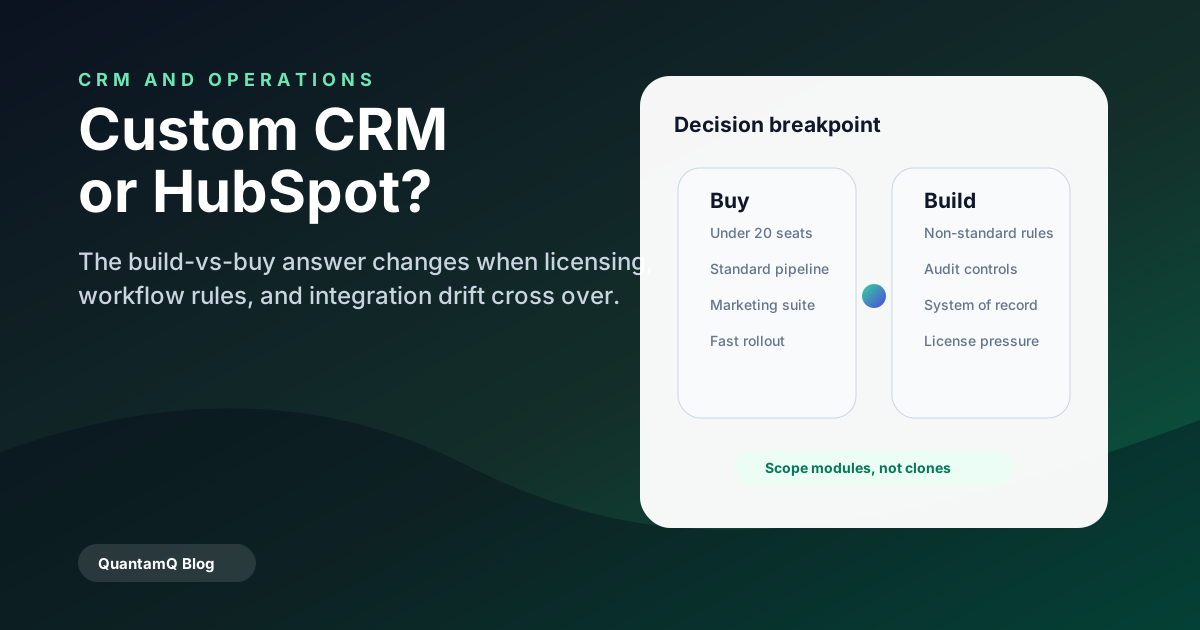
For most Australian SMBs in 2026, HubSpot, Pipedrive, or Zoho are the right starting point. They are cheaper than they look, integrate widely, and absorb most early-stage growth without breaking.
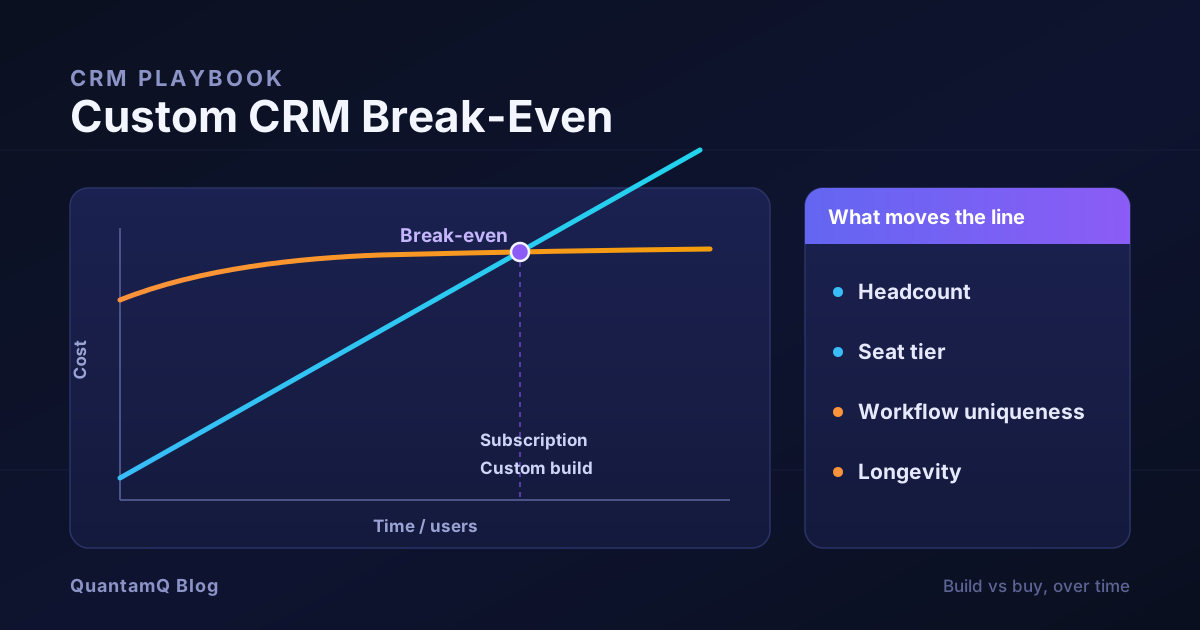
The cost of a custom CRM is almost never the build — it is the long tail of features the off-the-shelf product gives you for free (email tracking, sequences, mobile apps, reporting, SOC 2 posture).
The signs a custom CRM will actually pay off
A custom CRM starts to make sense when one or more of the following are true:
- Your sales or fulfilment process is materially different from how HubSpot models a deal — multi-party approvals, recurring milestone billing, regulated handovers.
- Per-seat licensing costs are climbing past A$50,000 per year and you are still bolting custom apps onto the side.
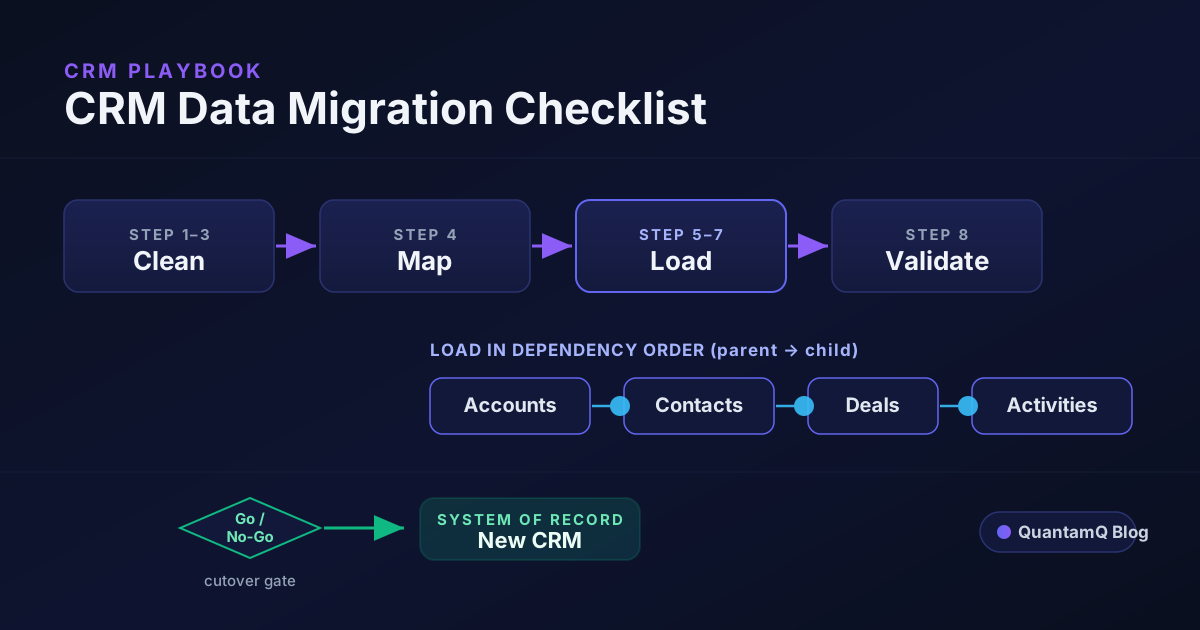
- Core business data lives in a system the CRM has to mirror, and the integration cost is approaching the build cost.
- You operate in a regulated industry where data residency, audit trails, or RLS controls cannot be satisfied by an off-the-shelf tenant.
How to scope a custom CRM without overbuilding
The mistake most teams make is trying to rebuild every HubSpot feature. The right scope is usually three to five modules that map exactly to your business — accounts and contacts, a deal or job pipeline, a quoting workflow, a fulfilment or operations view, and reporting.
Everything else (email, calendar, marketing) should stay in best-of-breed tools the custom CRM integrates with, not replaces.
Frequently asked questions
How much does a custom CRM cost in Australia?
A focused first version typically runs A$45,000–A$120,000 in 2026 depending on integrations and reporting depth. The right comparison is not against HubSpot licence cost alone — it is against licence + custom-app maintenance + integration drift over three years.
Can a custom CRM be built on top of an existing tool?
Sometimes. We have built custom workflow layers on top of HubSpot, Airtable, and Notion when the gap was workflow rather than data model. That is often a faster, cheaper first step than a full rebuild.